DTF vs Screen Printing vs Embroidery | Best Custom Apparel Printing in UAE (2026 Guide)
Choosing the wrong decoration method can cost your brand money, quality, and credibility. This guide breaks down all three approaches — so you can make the right call before you place a single order.
At Ghazal Apparel, we specialize in custom apparel in UAE, offering DTF printing, screen printing, and embroidery for businesses, schools, sports teams, and fashion brands. This guide compares all three methods to help you choose the best solution before placing your next order.
Ghazal Apparel
Updated June 2026
9 min read
DTF (Direct-to-Film) is best for small runs and photographic detail. Screen printing wins on cost at high volumes with bold, flat colors. Embroidery delivers the most premium look for structured apparel and workwear. The right method depends on your order size, artwork type, and where the garment will be worn.
The Three Methods at a Glance
Custom apparel decoration has never had more options — but three methods dominate the market for branded merchandise, event apparel, and company uniforms. Each has a distinct production process, cost structure, and sweet spot.
Embroidery
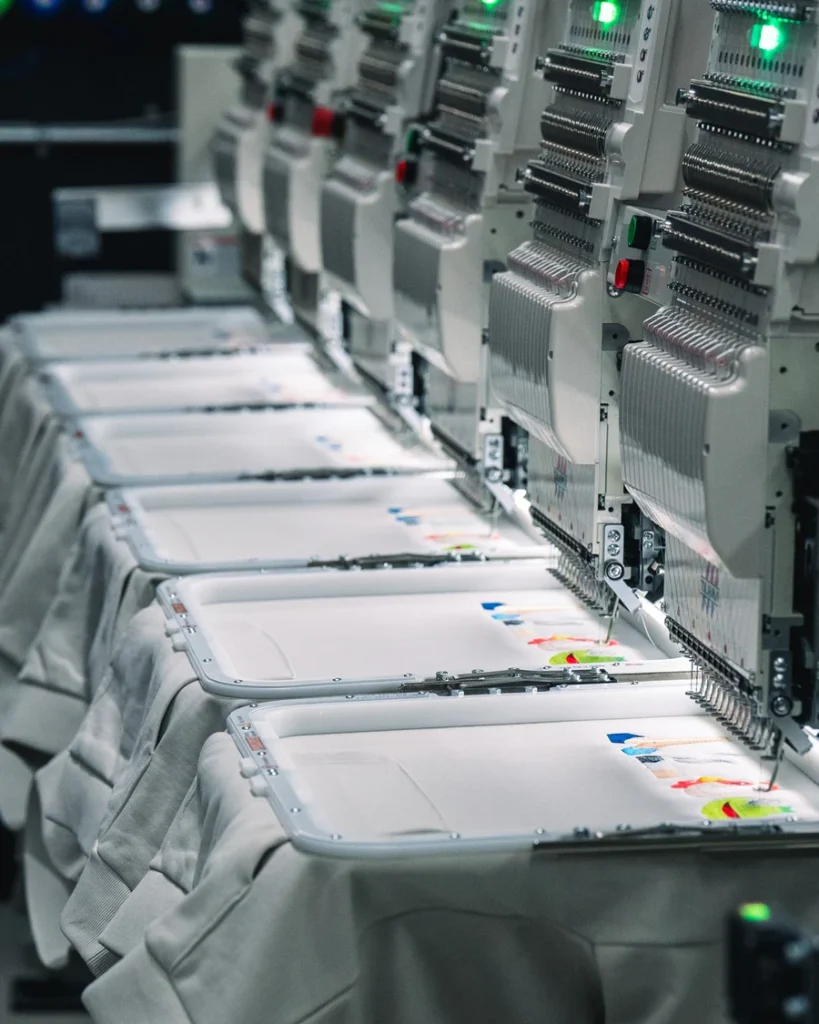
Thread is stitched directly into the fabric. Durable, premium finish ideal for logos on polos, caps, and jackets.
Screen Printing
A design is printed (or cut) onto a special transfer paper or vinyl, then permanently bonded to fabric using heat and pressure. Push ink through mesh screens onto fabric. Unbeatable per-unit cost at volume; best for bold, limited-color artwork.
DTF Printing
Print vibrant designs onto film, then heat-transfer onto fabric. No minimums, full color, works on almost any material.
DTF Printing: The Modern, Flexible Choice
Direct-to-Film (DTF) printing is the newest of the three methods — and it’s taken the custom apparel industry by storm since 2020. The process works by printing a design onto a clear PET film using special inks, applying a hot-melt adhesive powder, curing it, and then heat-pressing the finished transfer onto any garment.
What makes DTF so compelling for emerging brands is its zero-minimum flexibility. You can order a single custom hoodie on Monday and have it by Friday. You don’t need to separate colors, create screens, or commit to a batch run. The design file goes in, the transfer comes out.
Where DTF truly shines
DTF handles photographic gradients, fine details, and multicolor artwork with ease — things that would be prohibitively expensive with screen printing. A tie-dye pattern with 12 color transitions? No extra charge. A photorealistic portrait on a tee? Straightforward. This makes it the go-to for creators, streetwear brands, and anyone testing new designs before committing to a large print run.
It also works on a wider variety of fabrics than any other method — cotton, polyester, nylon, leather, and blended materials are all fair game. This versatility matters if your brand spans different product categories.
The digitizing process
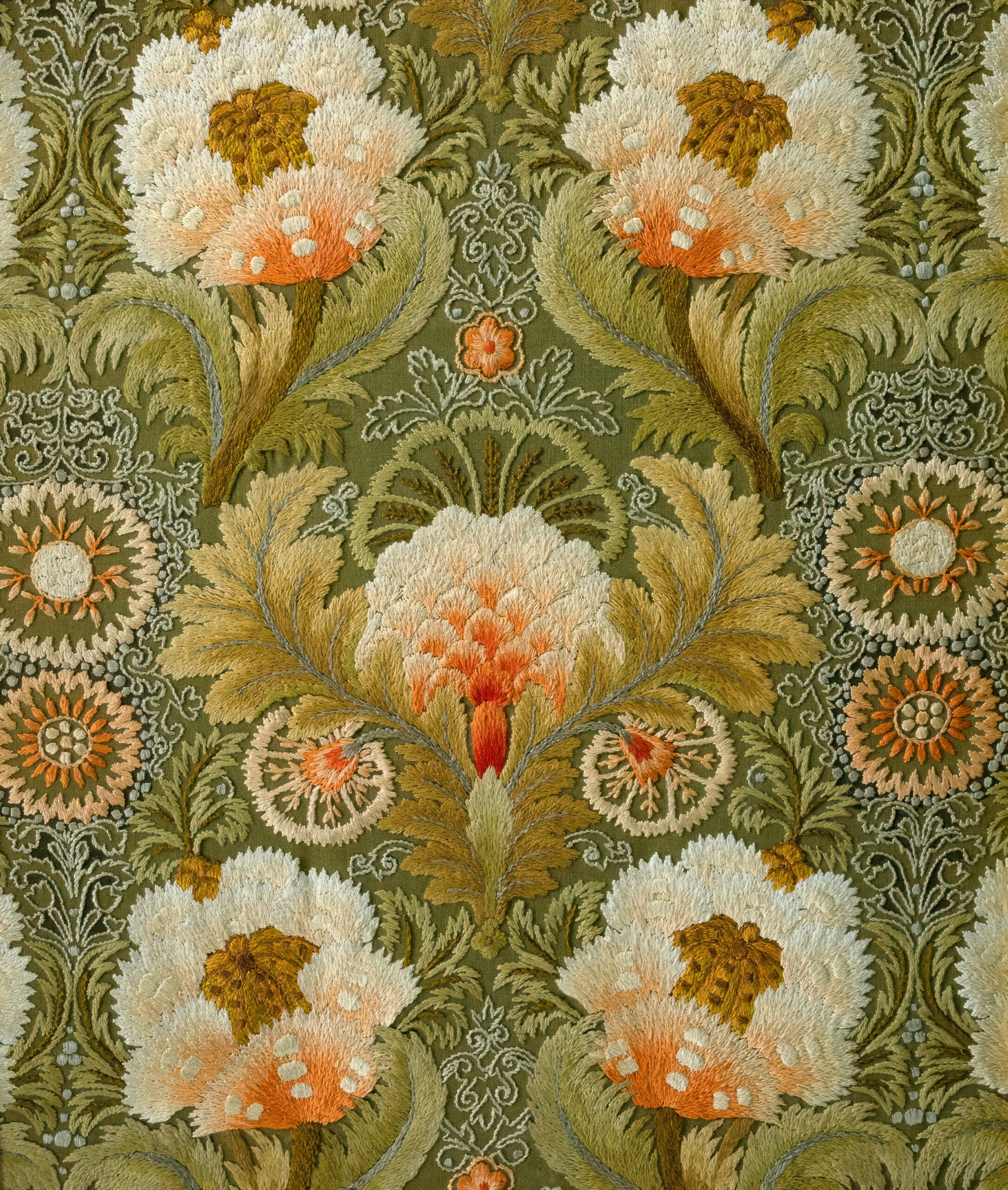
Before embroidering a logo, it must be “digitized” — converted from image format into a stitch file that tells the machine exactly how to replicate the design in thread. Good digitizing is an art. A skilled digitizer will know which elements to simplify, where to use satin stitches versus fill stitches, and how to maintain legibility at small sizes. Expect a one-time digitizing fee of $20–80 per design, but this file is yours to reuse indefinitely.
It’s important to know that embroidery has natural constraints: it doesn’t do photographic imagery, ultra-fine lines, or smooth color gradients. Logos need to be simplified to work well in thread. But for a clean, professional wordmark or icon on a structured garment, embroidery delivers a look no other method can match.
Embroidery Services for Premium Apparel Branding
Embroidery is in a different category from the other two methods — literally. Where DTF and screen printing apply color to the surface of a garment, embroidery stitches thread directly into the fabric using a computerized multi-needle machine. The result is three-dimensional, tactile, and widely perceived as the most premium form of decoration available.
When someone picks up a polo with an embroidered logo versus one with a printed logo, they immediately register the quality difference. That perception matters enormously for brands in hospitality, finance, law, healthcare, or any sector where professionalism and polish are part of the value proposition.
- Highest perceived premium quality
- Extremely durable — outlasts the garment
- Works beautifully on structured items (caps, jackets)
- 3D texture adds visual and tactile depth
- Digitizing file reused across all future orders
- No cracking, peeling, or fading
- One-time digitizing fee per design
- Not suitable for photographic or gradient artwork
- Fine details and thin lines are difficult to replicate
- Higher cost per unit than screen printing at volume
- Stitch count affects cost (complex logos cost more)
Embroidery is ideal for: Corporate workwear and uniform programs, employee polos and button-downs, structured caps and beanies, outerwear and jackets, client gifts, and any brand that wants to signal quality and permanence.
Screen Printing: The Volume Workhorse
Screen printing has been the backbone of the apparel decoration industry for over 50 years — and for good reason. When you need 100+ units of the same design, nothing beats it on cost per print, color vibrancy, or durability.
The process involves creating a separate mesh screen for each color in a design, then pushing ink through each screen onto the garment in sequence. A classic three-color logo requires three screens. That’s where the setup cost comes from — typically $20–50 per screen — but once the screens are made, printing 500 shirts costs only marginally more per unit than 100.
- Lowest per-unit cost at 100+ units
- Exceptional ink vibrancy and opacity
- Very durable — survives hundreds of washes
- Specialty inks available (metallics, puff, glow)
- Industry-standard for branded apparel
- Ink sits on top of fabric — visible from a distance
- Setup fees make small orders expensive
- Color matching adds complexity and cost
- Gradients and photographic art require halftones
- Each colorway needs its own setup
- Minimums typically 12–24 units per design
“Screen printing turns a merchandise program from an expense into a scalable asset — but only when your volumes justify the setup.”
Whether you’re launching a clothing brand, ordering staff uniforms, or creating promotional merchandise, choosing the right printing method is essential. At Ghazal Apparel, we help businesses with custom apparel in UAE, offering DTF printing, screen printing, and embroidery for everything from custom t-shirt printing to premium corporate uniforms.
Read Next
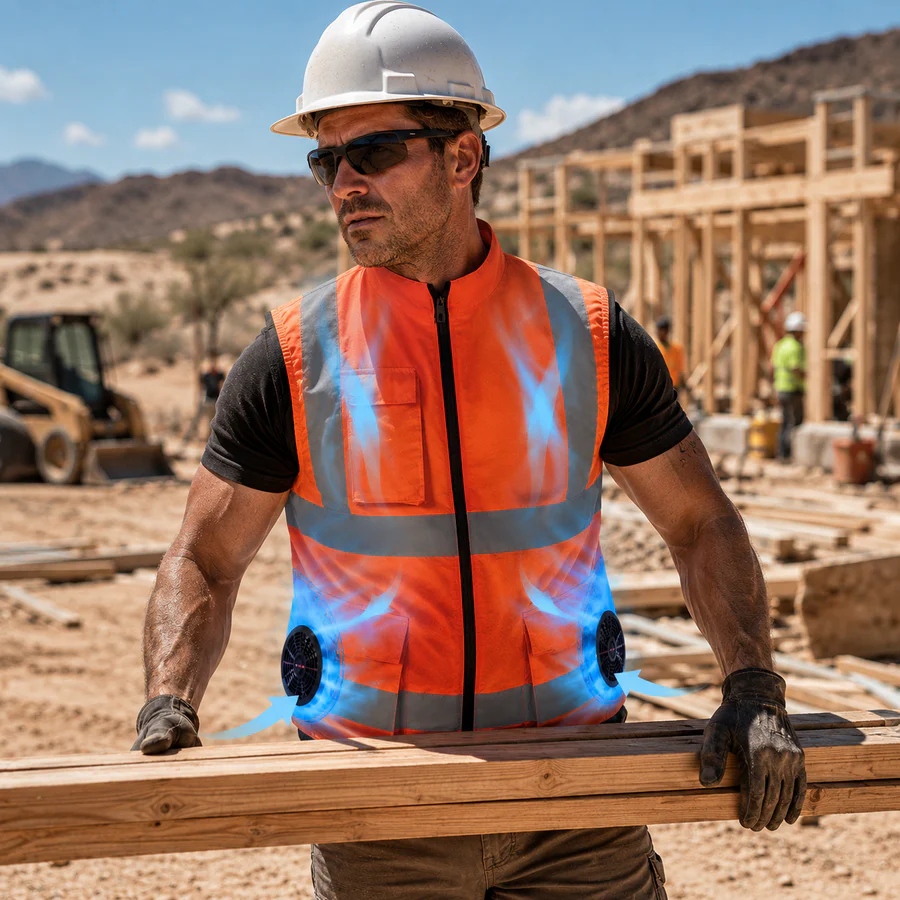
Heat protection collection. Custom branded for your team.
Complete range of heat protection workwear and accessories. Fully customisable with your logo. Bulk orders welcome across UAE..
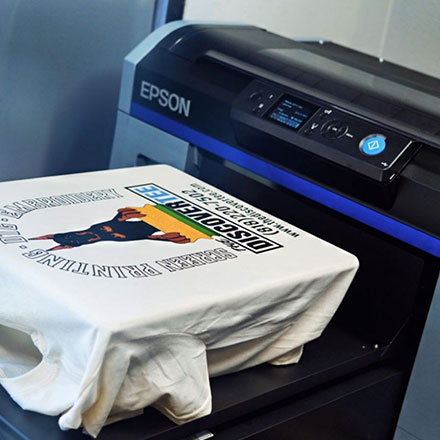
Heat Transfer vs Direct-to-Garment (DTG) Printing for Apparel: Which Wins?
Two powerful digital printing methods. One fabric. Completely different outcomes. If you're decorating custom apparel and can't decide...
Custom T-Shirt Printing Abu Dhabi | High-Quality Custom Apparel
Custom T-shirt printing in Abu Dhabi has become one of the most effective ways for businesses, schools, sports teams, restaurants....