Heat Transfer vs Direct-to-Garment (DTG) Printing for Apparel: Which Wins?
Two powerful digital printing methods. One fabric. Completely different outcomes. If you’re decorating custom apparel and can’t decide between heat transfer and DTG, this guide settles it — with real numbers, honest trade-offs, and a clear decision framework.
Ghazal Apparel
Updated June 2026
10 min read
You’re printing on 100% cotton garments in small-to-mid quantities, want photographic or gradient-rich artwork, and need the print to feel soft and breathable on the fabric.
You’re decorating polyester, blends, or non-standard items, need fast one-off turnarounds, want HTV for single-color vinyl cuts, or need compatibility across mixed fabric types.
How Each Method Actually Works
Before comparing outcomes, it helps to understand what’s happening inside each process — because the differences in production are exactly why each method excels in different situations.
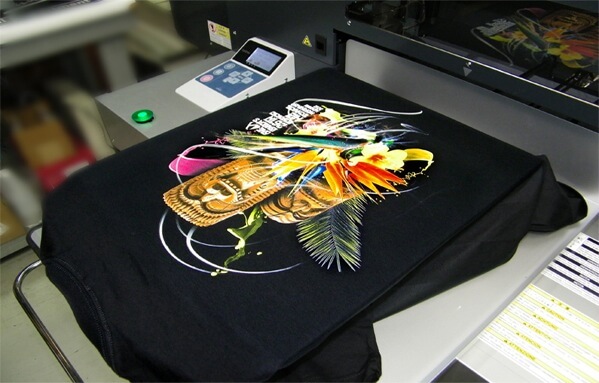
Direct-to-Garment (DTG)
Water-based inks are sprayed directly onto fabric fibers using a modified inkjet printer — essentially printing straight onto the shirt. Ink type Water-based CMYK Setup needed Pretreatment (dark fabrics) Feel on fabric Soft, breathable Best on 100% cotton
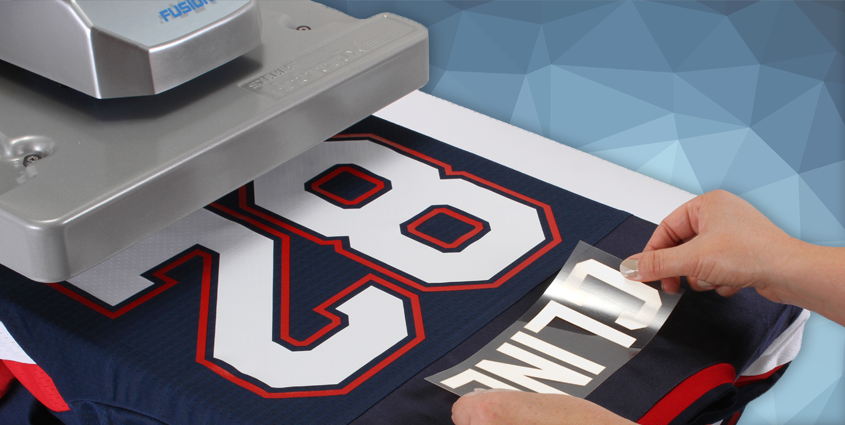
Heat Transfer Printing
A design is printed (or cut) onto a special transfer paper or vinyl, then permanently bonded to fabric using heat and pressure. Transfer types HTV, plastisol, digital Setup needed Heat press machine Feel on fabric Slightly raised / film-like Best on Polyester, blends, most fabrics
DTG Printing for Apparel: The Full Picture
Direct-to-Garment printing arrived as the apparel industry’s answer to a long-standing problem: how do you get photographic-quality artwork onto a shirt affordably, without the color-count limitations of screen printing? DTG solved that — and for cotton-rich garments, it remains one of the cleanest, most versatile options available.
The pretreatment step (and why it matters)
On white or light-colored garments, DTG printing can proceed directly. On dark fabrics — black tees, navy hoodies — a pretreatment liquid must be applied and cured first to give the white ink a stable base to sit on. This is DTG’s most important hidden step. Poor pretreatment causes faded prints, uneven saturation, and premature washing failures.
Quality DTG vendors run pretreated garments through a heat tunnel before printing, ensuring even coverage. If a quote seems suspiciously cheap, verify their pretreatment process — it’s where corners most often get cut.
Color and artwork freedom
DTG handles the full color spectrum without any additional cost per color — gradients, photographic images, watercolor textures, and fine-line illustrations all reproduce faithfully. Unlike screen printing’s halftone simulation, DTG prints at up to 1200 DPI, delivering sharp, detailed results that look exactly like the digital file.
“DTG is the only method that makes a 47-color gradient as affordable to print as a 2-color logo.”
- Full photographic color reproduction
- Soft hand feel — ink soaks into fiber
- No minimum order quantity
- Excellent for dark garments with pretreatment
- Eco-friendly water-based inks
- No color-count pricing
- Precise, sharp fine-detail artwork
- Requires 100% or high-cotton content fabric
- Pretreatment adds time and complexity
- Slower machine speed vs heat press at volume
- Colors slightly less vivid than screen ink
- Poor results on polyester and synthetic blends
- Equipment is expensive — not all vendors have it
Heat Transfer Printing for Apparel: The Full Picture
Heat transfer is not a single technology — it’s a family of methods that all share the same basic principle: apply design to transfer medium, press onto garment with heat and pressure. Under that umbrella sit three distinct approaches, each with its own use case.
The three types of heat transfer
Heat Transfer Vinyl (HTV) involves cutting designs from colored vinyl sheets and pressing them onto fabric. It’s the classic home-crafter method — and for simple 1–3 color logos, text, and shapes, it’s fast, clean, and surprisingly durable. HTV doesn’t work for complex multicolor or photographic artwork because each color requires its own cut vinyl layer.
Plastisol Transfers are pre-printed using plastisol ink (the same ink as screen printing) onto a special release paper. They’re pressed onto garments using a heat press. This method produces extremely vivid, opaque colors and feels similar to a screen-printed shirt — making it a popular choice for event apparel businesses that want to pre-print transfers in bulk and apply them on demand.
Digital Heat Transfers (Inkjet or Laser) use CMYK digital printing onto transfer paper — similar to how DTF works, though on slightly different materials. This method bridges the gap between DTG and HTV, offering full-color capability without requiring specialized DTG equipment. It’s widely used for short runs on polyester sportswear, team kits, and promotional products
- Film or vinyl layer visible on the fabric surface
- Less breathable than DTG on hot or active wear
- HTV limited to simple, bold designs (no gradients)
- Can crack or peel if heat-pressed incorrectly
- Digital transfers may fade faster than DTG on cotton
- Large prints can feel stiff or heavy
- Works on polyester, nylon, blends, and cotton
- HTV is extremely durable on simple designs
- Transfers can be pre-made and applied in seconds
- Lower equipment cost for small operations
- Great for names, numbers, and team customization
- Fast turnaround for individual personalized orders
- No pretreatment required
Best Fabrics for Custom Apparel, T-Shirt Printing & Embroidery
The fabric you select has a bigger impact on print quality and durability than most people realize. Even the best artwork can produce disappointing results if it’s paired with the wrong printing method. For example, DTG printing delivers outstanding results on cotton but may appear dull or fade quickly on high-polyester garments. Understanding fabric compatibility before placing an order helps ensure vibrant prints, longer-lasting designs, and fewer costly reprints.
Use the guide below to match your garment type with the most suitable printing method. When working with premium, specialty, or unfamiliar fabrics, always order a test print first. A small upfront investment can prevent expensive production mistakes and guarantee the final product meets your expectations.
Read Next
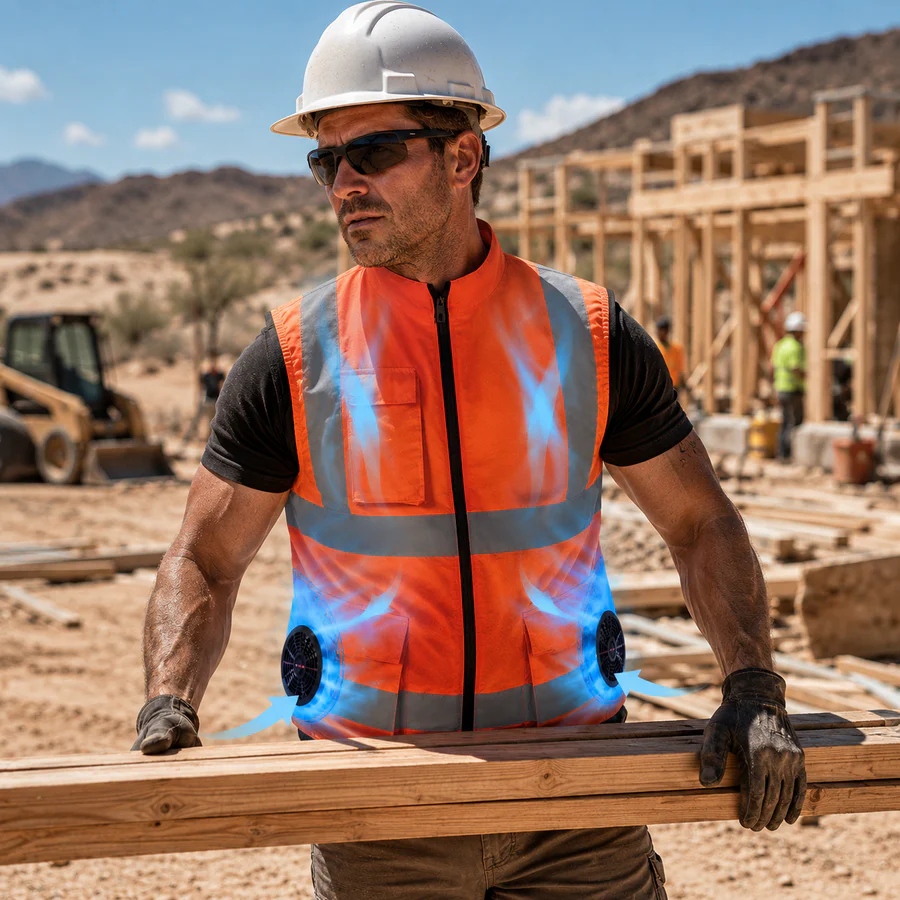
Heat protection collection. Custom branded for your team.
Complete range of heat protection workwear and accessories. Fully customisable with your logo. Bulk orders welcome across UAE..
Custom T-Shirt Printing Abu Dhabi | High-Quality Custom Apparel
Looking for custom T-shirt printing in Abu Dhabi? Ghazal Apparel offers premium screen printing, DTF printing, embroidery, and personalized....
DTF vs Screen Printing vs Embroidery — Which is Right for Your Brand?
Choosing the wrong decoration method can cost your brand money, quality, and credibility. This guide breaks down all three approaches.....